Sorry, nothing in cart.
Why Choose Us!
- 5+ Lakh Customers Trust Us for Fast & Safe Delivery
- Secure Checkout – Your Data Stays 100% Private
- Express Delivery – No Waiting, No Delays
- Best Value For Money Guaranteed
- Get Premium Quality At Budget – Friendly Prices

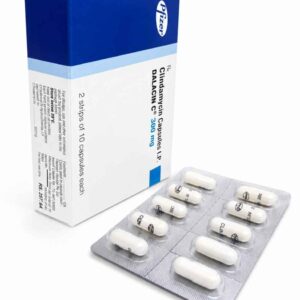
Amoxicillin 250mg Capsule Australia
| 250mg | 100 Capsule/s, 200 Capsule/s, 300 Capsule/s |
|---|---|
| Active Ingredient: | Amoxicillin |
| Indication: | Bacterial infections |
| Manufacturer: | Abbott India Pvt Ltd |
| Packaging: | 10 Capsule in 1 strip |
| Strength: | 250mg |
| Delivery Time: | 6 To 15 days |
| 250mg |
100 Capsule/s, 200 Capsule/s, 300 Capsule/s |
|---|---|
| Active Ingredient: |
Amoxicillin |
| Indication: |
Bacterial infections |
| Manufacturer: |
Abbott India Pvt Ltd |
| Packaging: |
10 Capsule in 1 strip |
| Strength: |
250mg |
| Delivery Time: |
6 To 15 days |
20% OFF
Use coupon GPA20
Valid for order above AUD$499.00
|
|
|
||||||||||||||||||||||||

Description
Introduction
Amoxicillin 250mg Capsule Australia contains 250 mg of amoxicillin per capsule. Amoxicillin is a penicillin antibiotic used to treat certain bacterial infections. It works against susceptible bacteria and is prescribed according to the infection, medical history and individual treatment requirements.
Antibiotics should be used only when clinically appropriate. Amoxicillin does not treat viral illnesses such as colds or influenza. A healthcare professional determines the suitable treatment and course duration.
What Is It?
Amoxicillin 250 mg is an oral capsule containing the active ingredient amoxicillin. It belongs to the beta-lactam group of antibiotics, specifically the penicillin family.
The 250 mg strength identifies the amount of active ingredient in each capsule, not the total amount required for treatment. The prescribed regimen depends on the infection, bacterial susceptibility and relevant health conditions.
How Does It Work?
Amoxicillin interferes with bacterial cell-wall synthesis, weakening the protective structure of susceptible bacteria. This antibacterial action helps eliminate organisms responsible for certain infections.
Some bacteria resist amoxicillin, so the medicine is not effective against every bacterial infection. Clinical assessment and, where appropriate, laboratory testing help guide antibiotic selection. Amoxicillin has no activity against viruses.
Common Uses
Amoxicillin may be prescribed for certain bacterial infections affecting the respiratory tract, skin and urinary tract. Examples include some cases of pneumonia and other infections caused by susceptible organisms.
Amoxicillin is also used alongside other medicines in selected treatment regimens for Helicobacter pylori infection associated with peptic ulcers. Combination treatment requires its own prescribing instructions.
Whether amoxicillin is suitable depends on the diagnosis and likely bacteria. Symptoms alone cannot establish whether an antibiotic is necessary. Not every infection affecting these areas requires amoxicillin.
Available Strengths
This family is available in 250 mg, 500 mg.
Key Features
- Active ingredient: amoxicillin.
- Strength: 250 mg per capsule.
- Dosage form: oral capsule.
- Medicine class: penicillin antibiotic.
- Clinical purpose: treatment of certain susceptible bacterial infections.
- Available quantities: 100, 200 or 300 capsules.
Benefits
- Targets susceptible bacteria by disrupting bacterial cell-wall formation.
- May help resolve bacterial infections when appropriately prescribed.
- Provides a defined 250 mg amount of amoxicillin per capsule.
- Offers an oral treatment option when capsules are appropriate.
- Can form part of combination therapy for certain infections when prescribed with other medicines.
Clinical outcomes depend on the organism, infection severity, individual circumstances and adherence to the prescribed treatment. Antibiotic selection should account for bacterial susceptibility.
Possible Side Effects
Amoxicillin can cause adverse effects, although not everyone experiences them. Common reactions include gastrointestinal symptoms, while serious allergic reactions require urgent attention.
- Nausea, vomiting or diarrhoea may occur.
- Skin rash, itching or hives may indicate sensitivity or allergy.
- Severe watery or bloody diarrhoea, including after treatment, requires prompt assessment.
- Blistering or peeling skin may indicate a serious reaction.
- Wheezing, breathing difficulty or swelling of the face, lips, tongue or throat requires emergency medical care.
- Unusual persistent symptoms should be discussed with a healthcare professional.
Precautions
- Tell your prescriber about previous allergic reactions to amoxicillin, penicillins or other antibiotics.
- Discuss kidney or liver disease before treatment because additional assessment may be needed.
- Disclose glandular fever, also called infectious mononucleosis, because amoxicillin-associated rashes may occur.
- Inform your healthcare professional about asthma, allergies or previous severe skin reactions.
- Seek medical advice if infection symptoms worsen or fail to improve as expected.
Additional Precautions
- Discuss pregnancy, planned pregnancy or breastfeeding with your healthcare professional.
- Provide a complete history of prescription medicines, supplements and herbal products.
- Do not share prescribed antibiotics with another person, even when symptoms appear similar.
- Unnecessary antibiotic exposure contributes to antimicrobial resistance.
- Severe diarrhoea may develop during treatment or weeks afterwards and should not be ignored.
- Ask a pharmacist about inactive ingredients if you have known ingredient allergies or intolerances.
Storage Instructions
- Keep capsules in their original packaging or container.
- Store at room temperature, protected from excessive heat and moisture.
- Avoid storing medicines in humid bathrooms.
- Keep all medicines out of sight and reach of children.
- Check the packaging for specific storage requirements and expiry information.
- Ask a pharmacist about appropriate disposal of unused or expired capsules.
How to Take
Amoxicillin must be taken according to the directions provided by the prescribing healthcare professional. The prescribed amount, frequency and duration depend on clinical requirements.
- Follow the prescription label rather than determining treatment from capsule strength alone.
- Take doses at the intervals specified by your healthcare professional.
- Amoxicillin may generally be taken with food if stomach upset occurs.
- Complete the prescribed course unless your healthcare professional advises otherwise.
- For a missed dose, follow professional instructions and do not double doses to compensate.
- Consult a pharmacist before changing how a capsule is administered.
Drug Interactions
Other medicines can affect antibiotic treatment or require additional monitoring. Tell your healthcare professional about everything you take, including non-prescription medicines.
- Other antibiotics may require review when used alongside amoxicillin.
- Some medicines may require additional monitoring or adjustments during antibiotic treatment.
- Hormonal contraceptive users should discuss appropriate contraceptive precautions with their healthcare professional.
- Prescription medicines, non-prescription products and supplements should be reviewed together.
- Never change an established medicine regimen without professional advice.
Why Choose This Product?
Amoxicillin 250mg Capsule Australia provides an oral capsule presentation of a penicillin antibiotic for use when amoxicillin is clinically appropriate.
- Contains 250 mg of amoxicillin per capsule.
- Provides a clearly identified active ingredient and strength.
- Can be considered within professionally prescribed antibiotic treatment.
- Available in several capsule quantities for different purchasing requirements.
- Provides an identifiable capsule strength for prescription verification.
Frequently Asked Questions (FAQs)
What is Amoxicillin 250 mg used for?
Amoxicillin treats certain infections caused by susceptible bacteria. Its suitability depends on the diagnosis, infection location and clinical assessment.
Is amoxicillin a penicillin antibiotic?
Yes. Amoxicillin belongs to the penicillin family and acts by interfering with bacterial cell-wall formation.
Can amoxicillin treat colds or influenza?
No. Colds and influenza are viral infections, and amoxicillin does not work against viruses.
Can amoxicillin cause diarrhoea?
Yes. Diarrhoea is a recognised side effect. Severe, persistent, watery or bloody diarrhoea requires prompt medical assessment.
Can someone with a penicillin allergy take amoxicillin?
A previous penicillin allergy may make amoxicillin unsuitable. Tell your prescriber about any previous allergic reaction before treatment.
Can amoxicillin be taken with food?
Amoxicillin can generally be taken with food, which may help reduce stomach discomfort. Follow the directions supplied for your treatment.
What happens if a dose is missed?
Take the missed dose when remembered unless the next dose is nearly due. Do not double doses. Ask a pharmacist if unsure.
Is amoxicillin appropriate during pregnancy?
Pregnant patients should discuss their condition and treatment requirements with a healthcare professional before taking amoxicillin.
How should amoxicillin capsules be stored?
Keep capsules at room temperature, away from excessive heat and moisture, and inaccessible to children. Follow any additional packaging instructions.
Why is completing an antibiotic course important?
Following the prescribed course helps ensure the infection is adequately treated. Stopping early or skipping doses can leave an infection incompletely treated and contribute to antibiotic resistance.
Related Products
- Amoxicillin 250mg Capsule Australia
- Amoxicillin 500Mg Capsule Australia
- Ciplox 250 mg Australia (Ciprofloxacin )
Product Categories
Be the first to review “Amoxicillin 250mg Capsule Australia”
Related products


Reviews
There are no reviews yet.