Sorry, nothing in cart.
Why Choose Us!
- 5+ Lakh Customers Trust Us for Fast & Safe Delivery
- Secure Checkout – Your Data Stays 100% Private
- Express Delivery – No Waiting, No Delays
- Best Value For Money Guaranteed
- Get Premium Quality At Budget – Friendly Prices

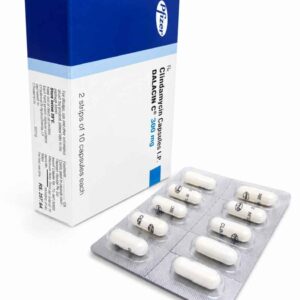
Amoxicillin 250mg Capsule Australia
| 250mg | 100 Capsule/s, 200 Capsule/s, 300 Capsule/s |
|---|---|
| Active Ingredient: | Amoxicillin |
| Indication: | Bacterial infections |
| Manufacturer: | Abbott India Pvt Ltd |
| Packaging: | 10 Capsule in 1 strip |
| Strength: | 250mg |
| Delivery Time: | 6 To 15 days |
| 250mg |
100 Capsule/s, 200 Capsule/s, 300 Capsule/s |
|---|---|
| Active Ingredient: |
Amoxicillin |
| Indication: |
Bacterial infections |
| Manufacturer: |
Abbott India Pvt Ltd |
| Packaging: |
10 Capsule in 1 strip |
| Strength: |
250mg |
| Delivery Time: |
6 To 15 days |
20% OFF
Use coupon GPA20
Valid for order above AUD$499.00
|
|
|
||||||||||||||||||||||||

Description
Introduction
Amoxicillin 250mg Capsule Australia contains 250 mg of amoxicillin in each oral capsule. Amoxicillin is a penicillin antibiotic used to treat certain bacterial infections. A healthcare professional determines whether it is appropriate by considering the infection, the likely bacteria, allergy history and other medicines.
The 250 mg strength describes the amount of amoxicillin in one capsule. It does not tell a person how many capsules to take or how often. Directions for a course of treatment should come from the prescription label and the treating healthcare professional.
What Is It?
Amoxicillin is an antibiotic in the penicillin family. This product is supplied as capsules for oral use. Amoxicillin is the active ingredient; people who need information about other capsule ingredients should check the pack with a pharmacist.
Amoxicillin is available in several dosage forms, but a capsule should be used according to its own directions. A liquid or tablet may have different handling instructions. The capsule strength must also be considered separately from the total amount prescribed for a course.
How Does It Work?
Amoxicillin interferes with the formation of bacterial cell walls. This helps kill bacteria that are susceptible to the medicine. Some bacteria are resistant to amoxicillin, so the choice of antibiotic may depend on the site of infection, local resistance patterns or laboratory results.
Amoxicillin does not act against viruses. It will not treat a cold or influenza. Taking an antibiotic when it is not needed can contribute to antibiotic resistance and may make future bacterial infections harder to treat.
Common Uses
Amoxicillin may be prescribed for certain bacterial infections affecting the chest, ears, skin, urinary tract or teeth. Its use for a particular infection depends on whether the bacteria are likely to be susceptible and on the person’s circumstances. A symptom such as a cough or sore throat does not, by itself, show that an antibiotic is needed.
Amoxicillin may also be used with other medicines in some treatment regimens. Those combinations require separate directions from a healthcare professional. The conditions described here are general uses of amoxicillin and do not mean that every infection in these areas should be treated with this capsule.
Available Strengths
This family is available in 250 mg, 500 mg.
Key Features
- Active ingredient: amoxicillin.
- Strength: 250 mg of amoxicillin per capsule.
- Dosage form: oral capsule.
- Medicine class: penicillin antibiotic.
- Clinical role: treatment of certain infections caused by susceptible bacteria.
Benefits
- Amoxicillin can treat certain bacterial infections when the bacteria are susceptible to it.
- The stated capsule strength provides a defined amount of active ingredient in each capsule.
- An oral capsule may be used when a healthcare professional selects this form as part of a treatment plan.
- Treatment is directed at bacterial infection; amoxicillin has no benefit against colds or influenza.
Possible Side Effects
- Nausea, vomiting and diarrhoea can occur. Discuss symptoms that are severe, persistent or troublesome with a healthcare professional.
- A skin rash or itching may occur. A new rash should be assessed, especially if there has been a previous reaction to an antibiotic.
- Some people develop thrush after taking antibiotics.
- Severe or bloody diarrhoea needs prompt medical assessment. It can begin during treatment or after the course has finished.
- Wheezing, difficulty breathing, faintness, or swelling of the face, lips, tongue or throat may indicate a serious allergic reaction. Seek urgent medical help.
- Blistering or peeling skin, yellowing of the eyes or skin, unusual bruising, or difficulty passing urine also needs prompt medical attention.
Precautions
- Tell the prescriber about any previous allergy or reaction to amoxicillin, penicillin or another antibiotic.
- Discuss kidney or liver problems before treatment, as these may affect the choice of medicine or monitoring.
- Mention glandular fever. Amoxicillin can be associated with a rash in people with this illness.
- Tell a healthcare professional if you are pregnant, planning pregnancy or breastfeeding.
- Seek reassessment if symptoms worsen or fail to improve as expected. The infection or treatment may need review.
Additional Precautions
- Provide an up-to-date list of prescription medicines, non-prescription medicines, vitamins and supplements to a doctor or pharmacist.
- Tell healthcare professionals about amoxicillin use before relevant blood or urine tests because it can affect some results.
- Do not share a prescribed antibiotic with someone else, even if their symptoms appear similar.
- Use amoxicillin only for the condition for which it was prescribed. Unnecessary antibiotic use encourages resistance.
- Ask a pharmacist to check the full capsule ingredients if an inactive ingredient allergy or intolerance is a concern.
Storage Instructions
- Keep capsules in their original packaging and follow the storage directions supplied with the pack.
- Protect them from excess heat and moisture.
- Keep medicines out of the sight and reach of children.
- Avoid keeping capsules in a damp bathroom.
- Check the expiry date before use. A pharmacist can advise how to dispose of expired or unused medicine.
How to Take
- Follow the prescription label and the directions given by the treating healthcare professional.
- Amoxicillin capsules are generally swallowed whole with water and can be taken with or without food.
- Continue the prescribed course unless a healthcare professional changes the treatment plan, even if symptoms improve.
- Do not work out a dose or schedule from the 250 mg capsule strength alone.
- Ask a pharmacist or doctor what to do if a dose is missed, too much is taken, or swallowing capsules is difficult.
Drug Interactions
- Methotrexate requires particular care when used with amoxicillin.
- Warfarin users may need additional monitoring when amoxicillin is started or stopped.
- Probenecid can affect amoxicillin levels. Allopurinol may increase the likelihood of a rash.
- Other antibiotics may affect treatment decisions. A doctor or pharmacist should review all medicines being taken.
- Vomiting or severe diarrhoea may reduce the effectiveness of oral contraceptive pills. Follow the pill’s guidance and ask a pharmacist for advice if this occurs.
Why Choose This Product?
- It contains amoxicillin in a 250 mg oral capsule.
- Amoxicillin has an established role in treating certain infections caused by susceptible bacteria.
- This capsule strength and form may be considered when a healthcare professional plans antibiotic treatment.
- Suitability depends on the diagnosis, allergy history, other medicines and the prescribed directions.
Frequently Asked Questions (FAQs)
What is the active ingredient?
Each capsule contains 250 mg of amoxicillin as its active ingredient.
Is amoxicillin a penicillin?
Yes. Amoxicillin belongs to the penicillin family of antibiotics.
Does it treat colds or influenza?
No. Colds and influenza are caused by viruses, which amoxicillin does not treat.
Can amoxicillin capsules be taken with food?
They can generally be taken with or without food. Follow the directions supplied with the medicine.
What if I have had a penicillin allergy?
Tell the prescriber before taking amoxicillin. A previous allergic reaction may make it unsuitable.
Which side effects are commonly reported?
Nausea, diarrhoea and rash are among the reported effects. Discuss persistent or troublesome symptoms with a healthcare professional.
When should urgent help be sought?
Seek urgent help for breathing difficulty, swelling of the face or throat, or other signs of a serious allergic reaction.
Can treatment stop when symptoms improve?
Follow the prescribed course unless a healthcare professional advises a change. Stopping early can allow an infection to return.
Is it suitable for every bacterial infection?
No. The bacteria must be susceptible, and a healthcare professional must consider the infection and individual circumstances.
Related Products
Be the first to review “Amoxicillin 250mg Capsule Australia”
Related products


Reviews
There are no reviews yet.